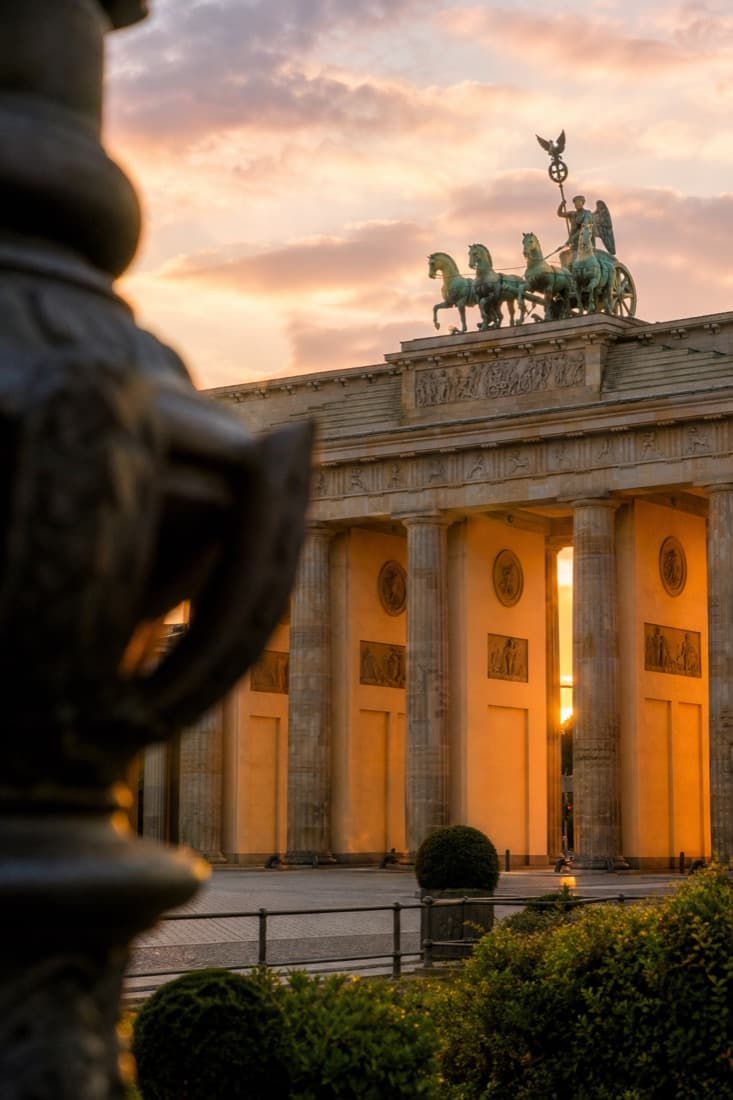
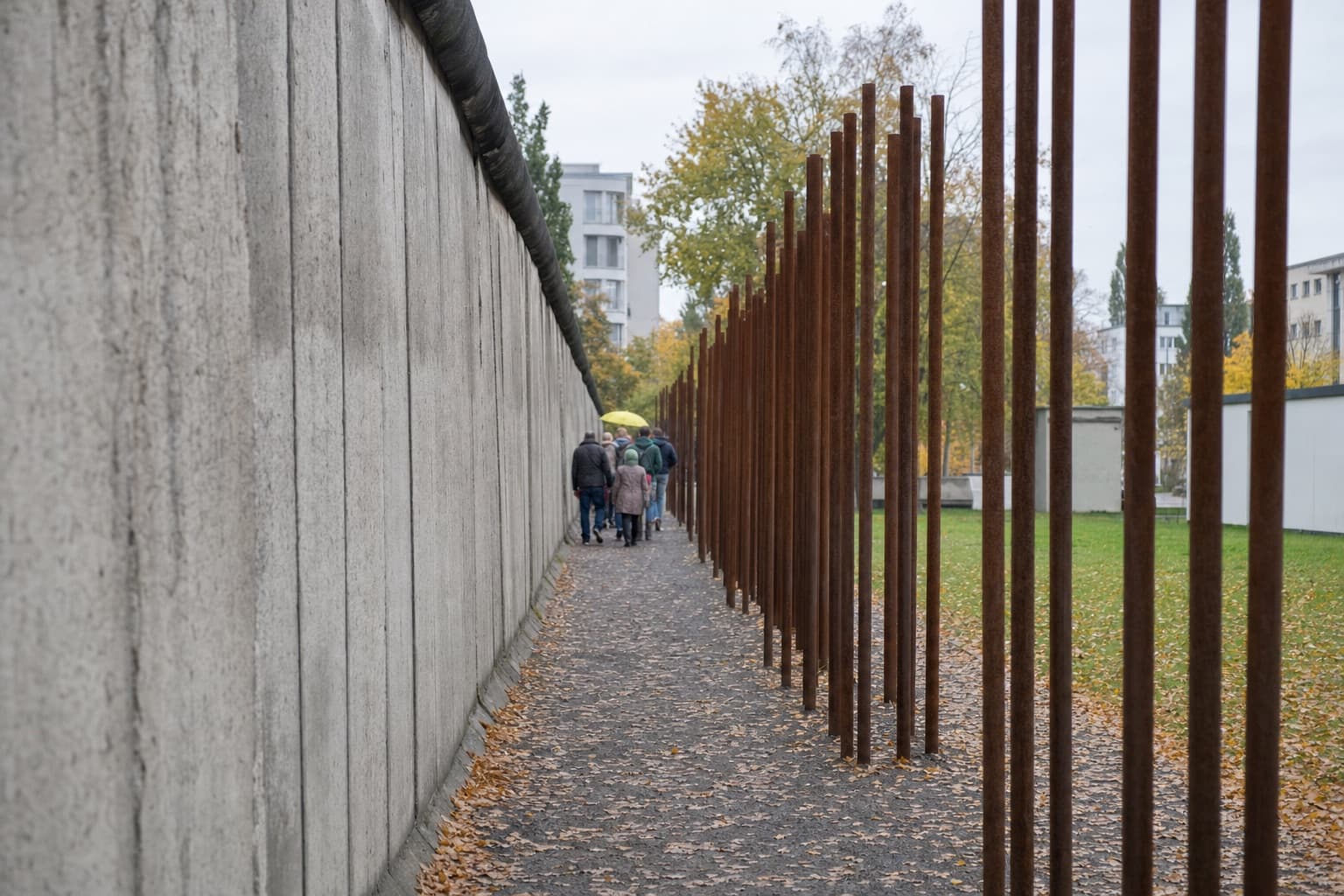
Berlin is a flat, sprawling city, made for walking in stretches and linking the rest by U-Bahn or S-Bahn. The historic centre is concentrated in the Mitte district, where in a little over two kilometres you go from the Brandenburg Gate to the Reichstag, the Holocaust Memorial and the Unter den Linden avenue. On the ground, a double line of cobbles marks where the Wall ran, so much of the walk is read at pavement level, without going into any building.
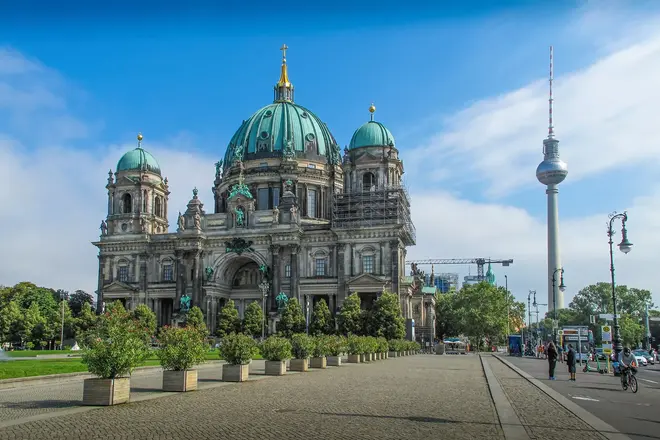
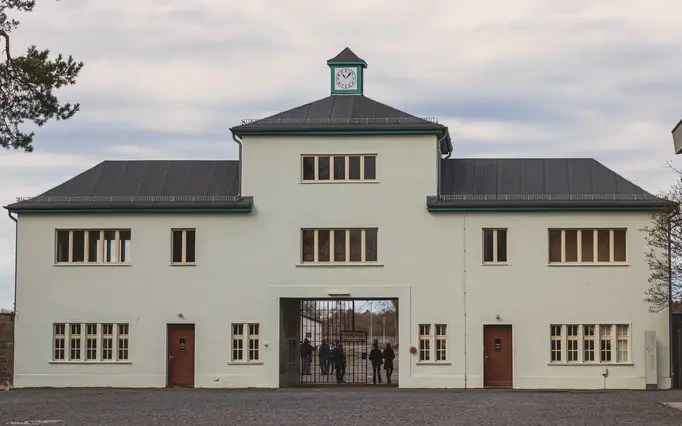
Three itineraries divide up the essentials. The first is historic Mitte: the Brandenburg Gate, the Reichstag, Bebelplatz, Museum Island and Berlin Cathedral, the route of the essential, all-in free tours. The second turns on the Wall and the Cold War, from Checkpoint Charlie to the East Side Gallery beside the Spree, passing the Topography of Terror and the preserved stretch of Bernauer Strasse. The third heads down to the alternative Berlin of Kreuzberg and the Jewish quarter of the Scheunenviertel, with its inner courtyards, street art and the marks of the Third Reich. Half an hour away by train lie two weighty excursions: the palaces of Potsdam and the Sachsenhausen concentration camp, in Oranienburg.
The start is usually in the centre, by the Brandenburg Gate on Pariser Platz, or near Alexanderplatz and the TV tower. The first hour of the morning is the best time to see Mitte with few people around, and afternoon departures work well in summer thanks to the long light. Booking is done online at no charge, and at the end each guest gives the guide the voluntary contribution with which they thank them for the walk.
For the Wall routes, comfortable shoes and something warm are wise, because Berlin is windy and most of the tour is outdoors. Sachsenhausen and Potsdam take half a day or more, so it is better not to squeeze them into the same day as a walking tour of the centre and to book them as a separate outing.