In this article (7 sections)
Starting in the south: the Seaport and the ferries
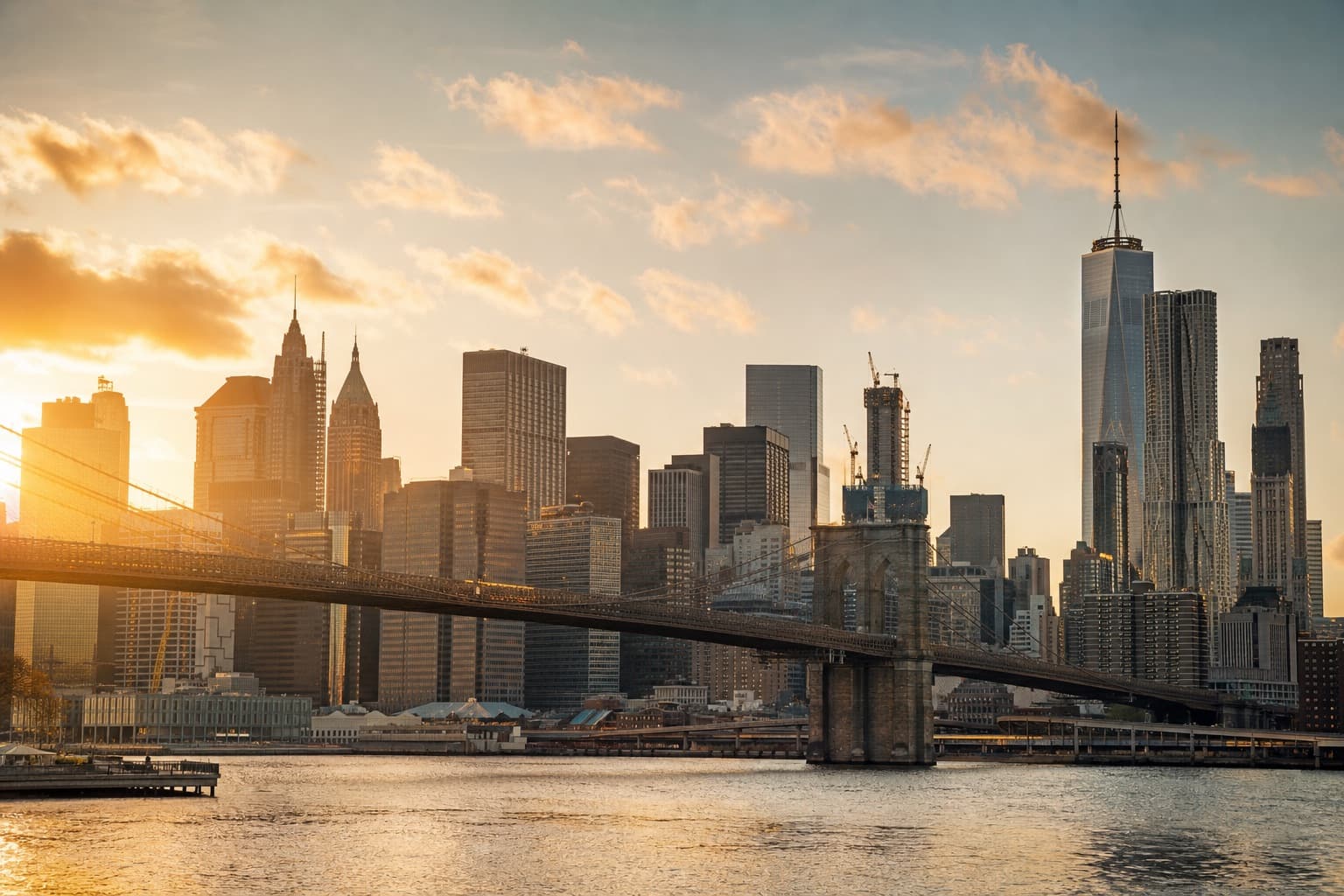
The southern tip of Manhattan is not just offices and rush. Beside the East River, the South Street Seaport keeps cobbled streets and old sailing ships moored, and its renovated pier, Pier 17, works as a giant terrace over the water: open-air concerts in summer, restaurants with views of the Brooklyn Bridge and an ice rink when the cold bites. It is a good place to start the day calmly before getting stuck in.
From the piers in this area the NYC Ferry boats set off, one of the cheapest and prettiest ways to get around: for little more than the price of a ticket you cruise the East River watching the skyline of skyscrapers and the bridges from the water. You do not need a fixed destination, the ride is the plan itself, above all at sunset, when the light falls over the skyline and the city turns golden.

Do it with a guide
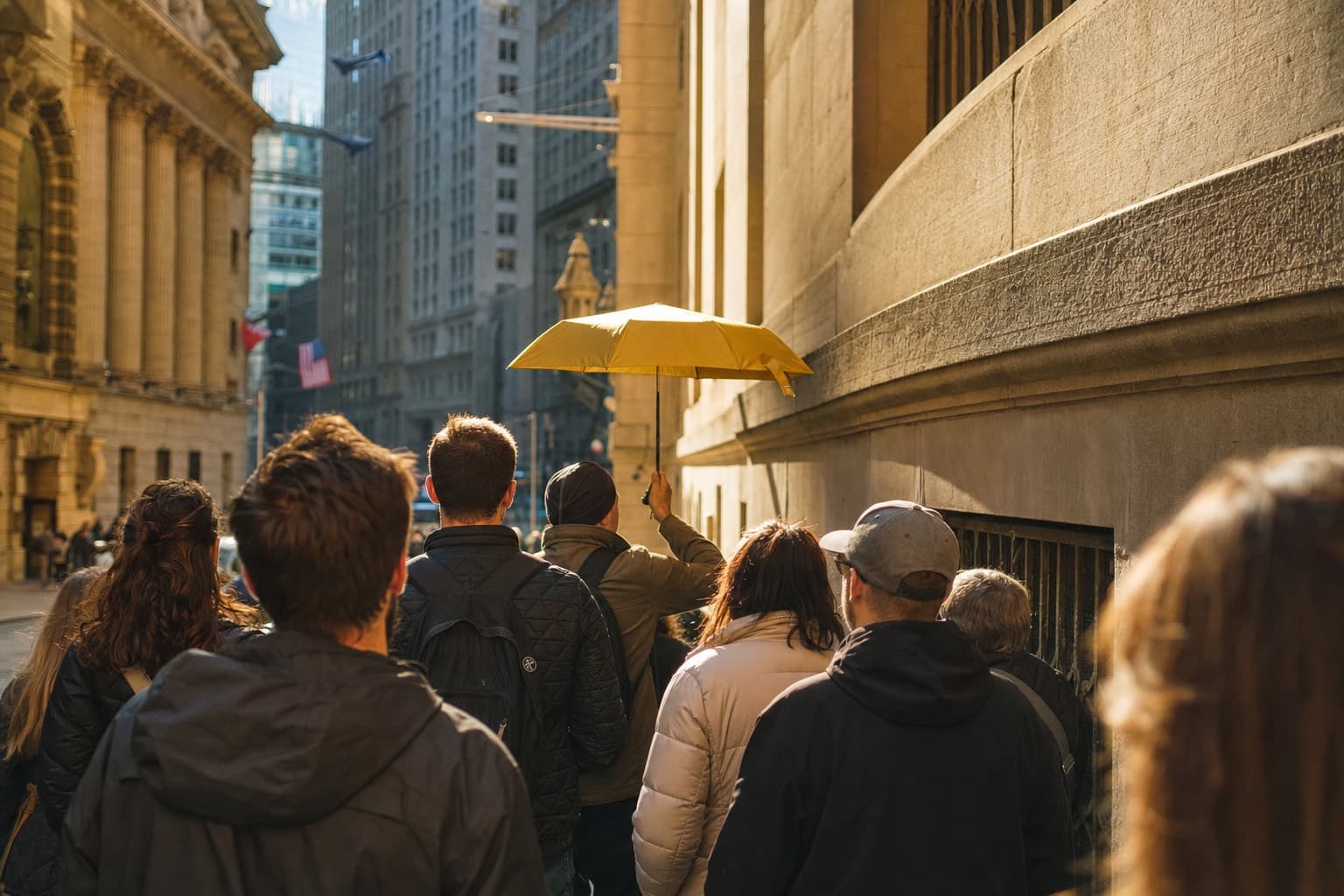
Free Tour New York: Manhattan and the Financial District
Join us on an unforgettable free walking tour through Manhattan's Financial District and discover the most iconic landmarks of the...
Eating around New York without going broke
Eating is half the trip, and New York is enjoyed by the bite. The food markets are the best way in: the Essex Market, in the Lower East Side, brings together under one roof stalls of the old school and kitchens from half the world; the Time Out Market in DUMBO gathers several of Brooklyn's best cooks with the Manhattan views as a backdrop; and the Smorgasburg, the great open-air market that fills Brooklyn on weekends from spring to autumn, lines up dozens of stalls where you can try a bit of everything.
And then there is street food, which here is an institution. The dollar slice of pizza for the mid-afternoon hunger, the bagel with cream cheese from the corner deli, the chicken and rice from the halal carts with their white and red sauce, or some dumplings in Chinatown for pennies. Round it off with a weekend brunch, that New York ritual of eggs, pancakes and unhurried coffee, and you will have the city half conquered without spending a fortune.
Going out at night: musicals, rooftops and live music
When the sun goes down, New York changes gear. The star plan is still a Broadway musical, and there is no need to go broke: at the TKTS booth in Times Square they sell same-day tickets at a discount, and many theaters raffle cheap seats by lottery a while before the show. Booking a seat for a great musical is one of those things that justify the trip on their own.
If your thing is the bar scene, the city has plenty. Rooftops to watch the sunset with a drink, speakeasies hidden behind doors with no sign that are a legacy of the Prohibition years, comedy clubs where stand-up is almost a religion and the historic jazz clubs of the Village, like the Village Vanguard or the Blue Note, for a last session of live music. You choose the rhythm of the night.
Book free, leave a contribution at the end

Neighborhoods with a life of their own, far from the postcard
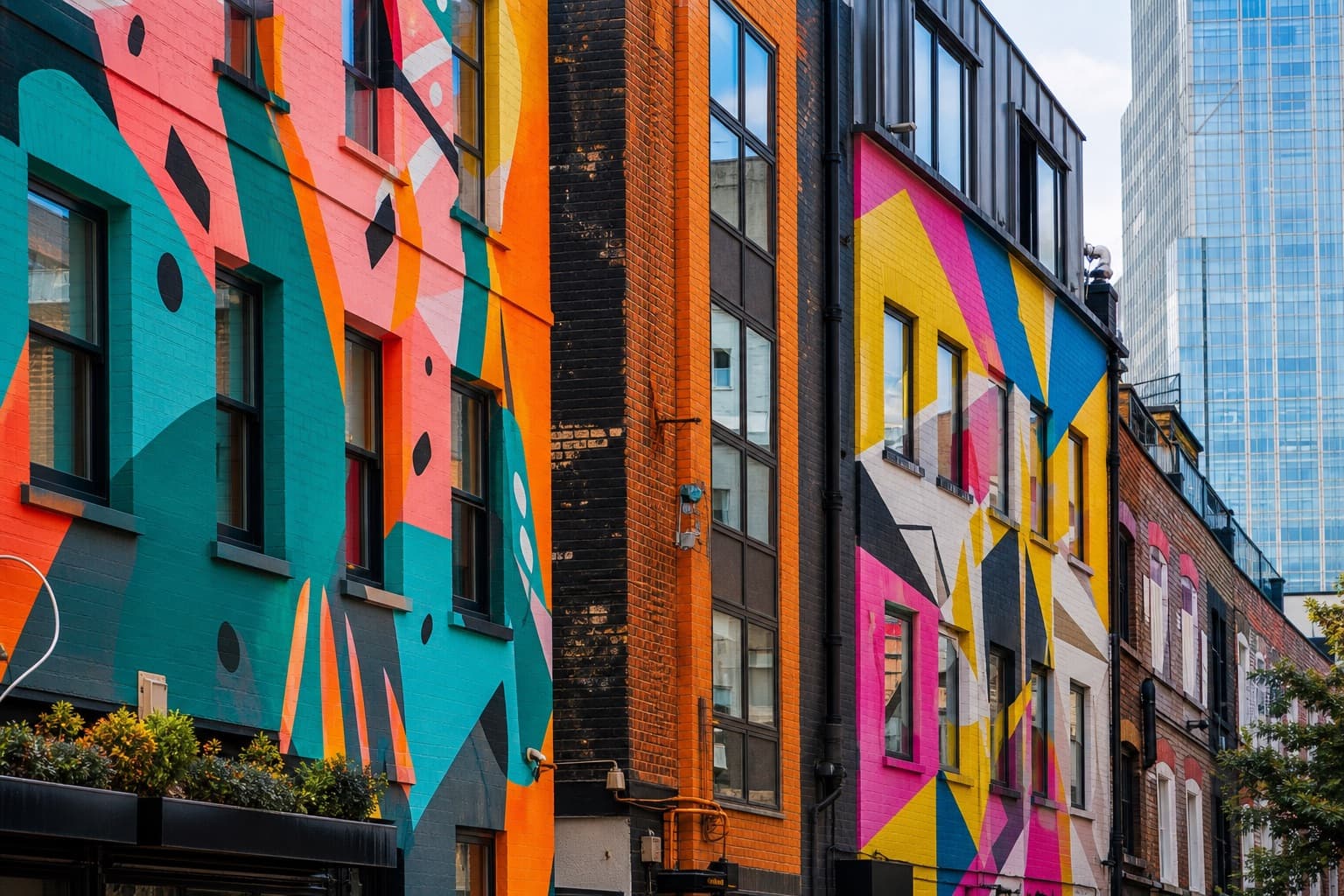
To see the New York that lives its own life you have to cross the river. Williamsburg, in Brooklyn, is the hip neighborhood par excellence: second-hand and record shops along Bedford Avenue, cafés with their own roast, rooftops and a great riverside walk. Right next to it is Bushwick, with its reconverted warehouses and the street-art murals of the Bushwick Collective painting whole blocks. It is the young, creative face of the city, the one that does not make the postcards.
Back in Manhattan, the East Village and the Lower East Side keep the more rebellious downtown, full of small bars and venues with a musical history. And if you have time to spare, cross to Queens: Astoria has Greek taverns and open-air beer gardens, and Long Island City gives you one of the best views of the skyline from Gantry Plaza. To catch the vibe without wandering aimlessly, a free tour of Brooklyn or Williamsburg is a cheap and easy plan: you have it booked with no money down and, at the end, you leave the guide a contribution of between 15 and 20 euros per person depending on how much you enjoyed it.
Outdoor plans and by the water
New York has more green and more shoreline than it seems. Governors Island, a car-free island a short ferry ride from the south of Manhattan, is explored by bike or lying in a hammock, with slides on the hills of The Hills and lawns for the whole afternoon. On the Williamsburg bank, Domino Park looks at the skyline from an old sugar refinery, and in Long Island City the Gantry Plaza State Park offers the classic image of the skyscrapers beside the old Pepsi sign.
There are outdoor plans that cost little or nothing. The Roosevelt Island tram crosses through the air over the East River and is paid for with the same metro ticket, with views thrown in. In summer, several piers offer free kayaking on the Hudson. And in spring, the cherry blossoms of the Brooklyn Botanic Garden, next to the huge Prospect Park, Brooklyn's answer to Central Park, are one of the prettiest and least-known spectacles in the city.
Coney Island and the south of Brooklyn
To finish, a plan that seems from another city: Coney Island, at the southern tip of Brooklyn, a while away by subway. Here are the wooden boardwalk, the beach open to the Atlantic and the old-school amusement parks, with the wooden Cyclone roller coaster and the Wonder Wheel turning for a century now. And the hot dogs of Nathan's Famous, the stand where every 4 July the famous hot-dog eating contest is held.
Next to it, Brighton Beach is the so-called Little Odessa, the neighborhood of the Russian and Ukrainian community, with its shops and restaurants under the screech of the elevated subway. Coming down here is to understand that New York is also its beaches and its immigrant neighborhoods far from the skyline. From the Financial District to this corner of Brooklyn, the city is enjoyed more when you leave room for what is not on the must-see list.
Frequently asked questions
- What is there to do in New York beyond the monuments?
- Once you have seen the must-sees, the city offers much more: eating in markets like the Essex Market, the Time Out Market in DUMBO or the weekend Smorgasburg, going up to a rooftop at sunset, seeing a Broadway musical with a last-minute ticket, walking neighborhoods like Williamsburg or Bushwick and devoting a whole day to the beach and the rides of Coney Island.
- What are the best areas to go out at night?
- The East Village and the Lower East Side gather small bars and long-standing venues; Williamsburg, across the river, leans more toward rooftops and a hip atmosphere; and Greenwich Village keeps the historic jazz clubs for a session of live music. The Times Square area is the one for musicals, better for early in the evening.
- Can you enjoy New York on a tight budget?
- Yes, quite a lot. The NYC Ferry boats cost little more than the metro and give you skyline views, the Roosevelt Island tram is paid for with your transit ticket, in summer you can kayak for free on the Hudson and the beach at Coney Island costs nothing. For food, a dollar slice of pizza or a plate of rice from the halal carts fill you up for little money.
- Is a free tour worth it to catch the vibe of the city?
- For a first contact it works very well, above all in neighborhoods like Brooklyn or Williamsburg, where a local guide shows you corners and tells you how life is lived there. Nothing is paid when you book and, at the end of the walk, you thank the guide with a contribution of between 15 and 20 euros per person depending on how much it gave you. That said, grab a spot early, because the good times fill up.