In this article (9 sections)
How a free tour works and what to expect before you book
Before we get into cities, it helps to know the lay of the land. You book online without paying, you show up at the meeting point at the set time and, when it ends, you leave a voluntary contribution, usually 15 to 20 euros per person. A local guide lives off those tips, so quality tends to be high: if the walk does not grab you, it shows in the envelope. Groups of 15 to 30 people and a length of two to two and a half hours are the norm. A couple of tips that make all the difference. Book ahead in high season, because spots go fast. Bring cash, since not every guide takes digital payment. And choose your language: most capitals run tours in English and other major languages, not just the local one. With that sorted, the question is no longer whether to do a free tour, but which one in each city.
Spain: old towns best told on foot
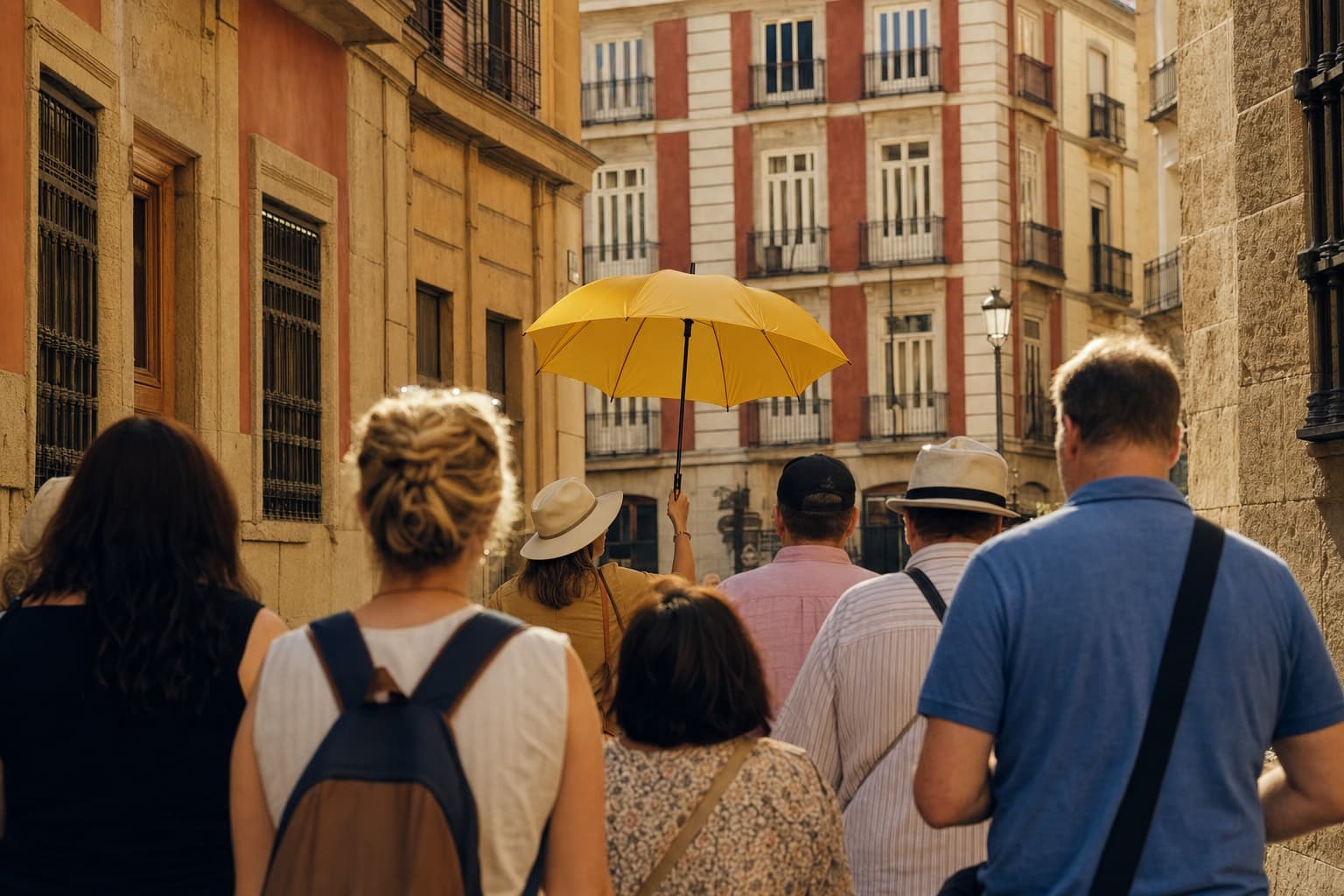
Madrid is a pure city-centre free tour: from the Madrid of the Habsburgs to Puerta del Sol, with centuries of history in a walkable radius and guides who master every anecdote of the Habsburgs and traditional working-class Madrid. Madrid's free tours are among the most complete in southern Europe. Granada plays in another league: here the walk through the Albaicín and the viewpoints over the Alhambra is one of the most photogenic on the continent, and the Moorish context changes everything. In Córdoba, the free tour of the Judería and the area around the Mosque sorts out a maze that only makes sense with a guide. And Valencia combines the Ciutat Vella with its modernista heritage and the City of Arts and Sciences, a contrast that justifies the walk on its own. Four cities, four different ways to read Spain on foot.
Lisbon: viewpoints, trams and the best value for every climb
Lisbon is one of those cities made for the free tour. The topography forces you up and down, and every slope ends at a viewpoint. The classic walk through Alfama, with the traces of the 1755 earthquake and the story of Alfama, birthplace of fado, is one you remember. What sets Lisbon apart is that the guide helps you understand the map before you get lost in it: where to catch tram 28, which viewpoint deserves the sunset, why the city was rebuilt on a grid after the quake. Add to that a warm atmosphere and local guides who tend to run long when the group responds. If you are visiting a single Iberian city and want the most rounded free tour, Lisbon goes toe to toe with Madrid.
Italy: when the city is an open-air museum
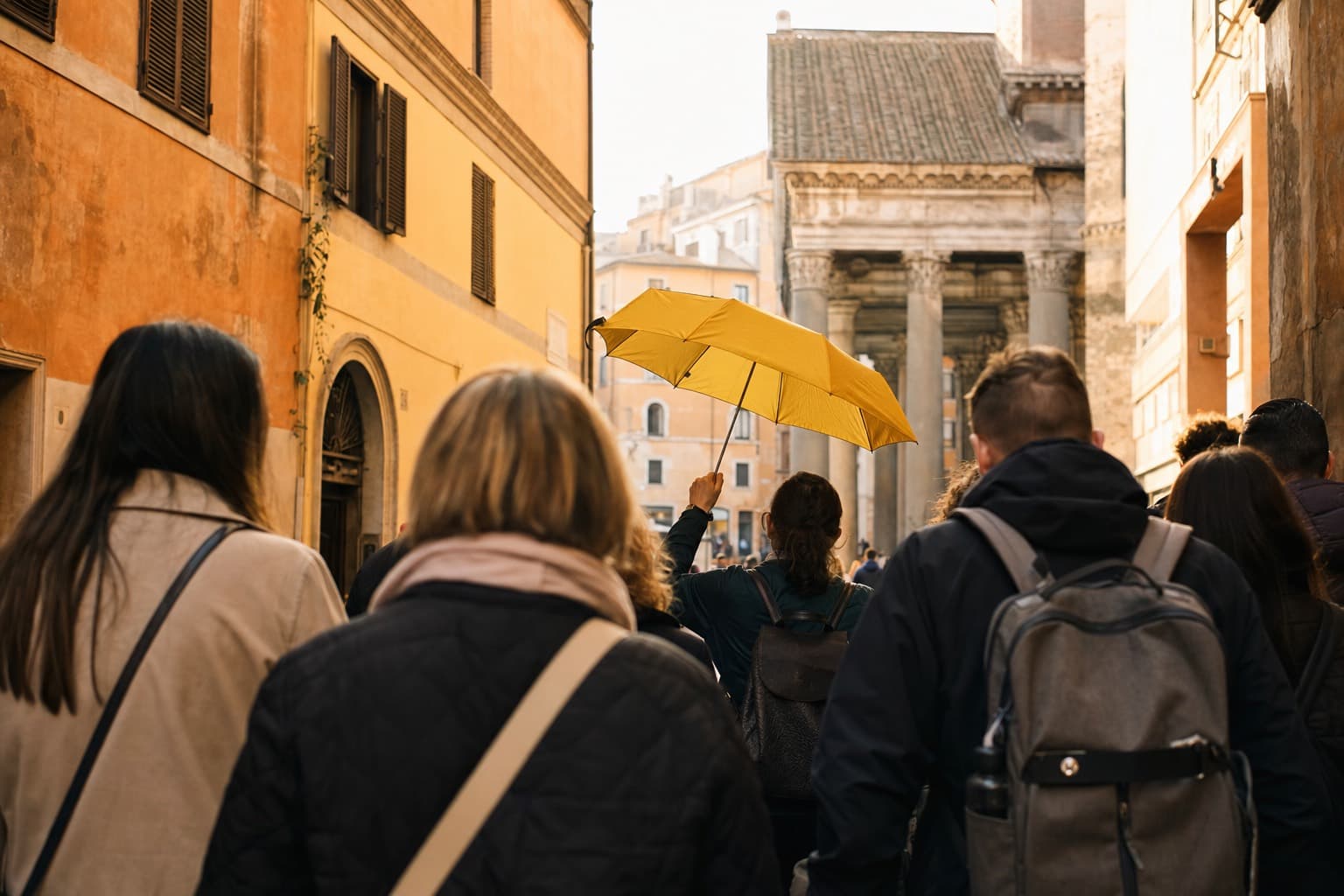
In Italy the free tour changes its job: it does not uncover the hidden, it orders the obvious. Rome is the extreme case. From the Colosseum to the Trevi Fountain there is so much that a guide saves you the mistake of looking without understanding; Rome's free tours built around imperial Rome or Trastevere mark the difference between seeing stones and reading an empire. Florence is ideal for a Renaissance walk on foot: the Duomo, the Signoria and the Ponte Vecchio fit into one stroll and gain a lot from the tale of the Medici. Venice works differently, because here the value is in not getting lost: a free tour through the alleys away from San Marco shows you the real city. And Milan, more modern, shines with walks that cross the Duomo, fashion and design.
Central Europe: recent history told by those who lived it up close
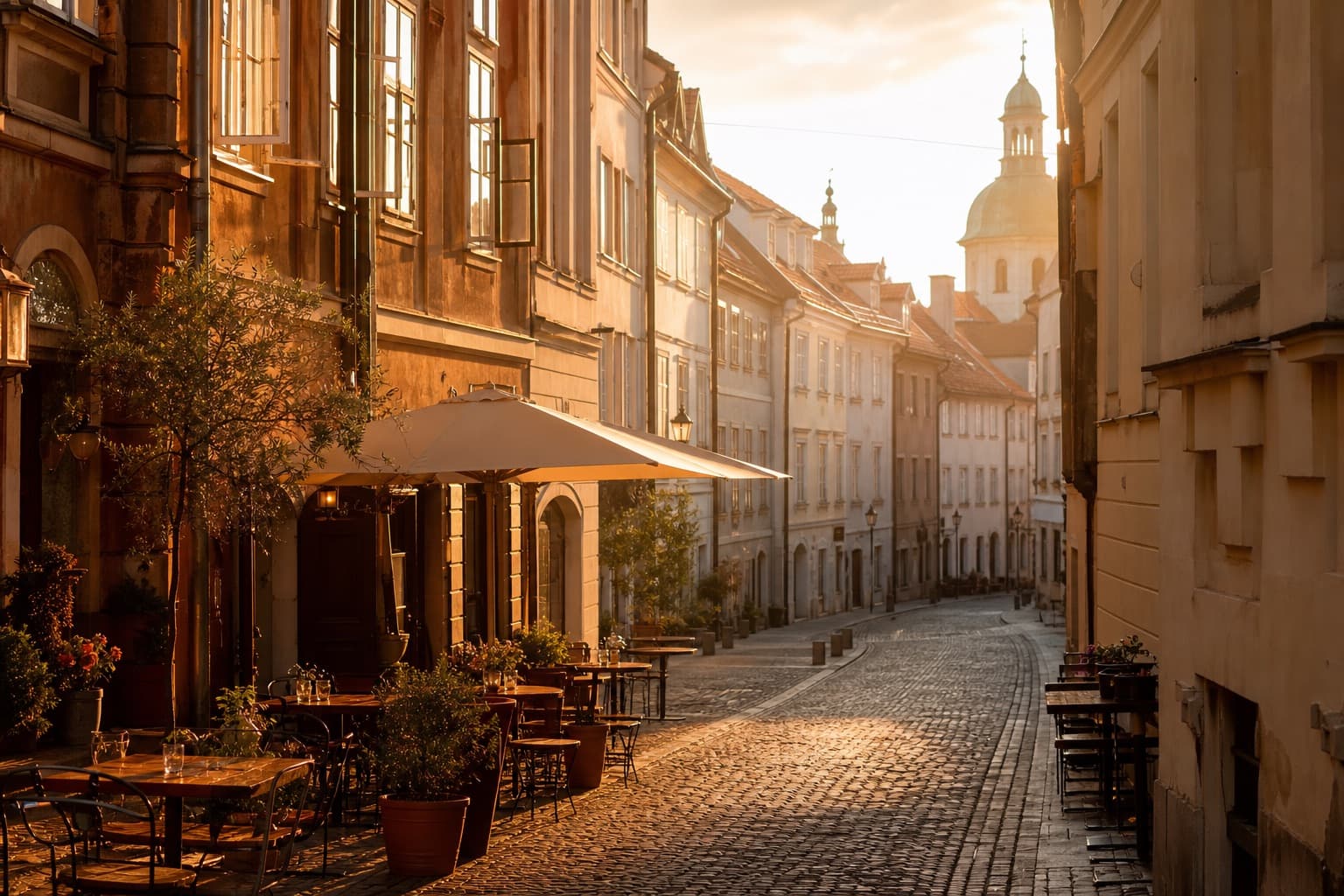
This is where the themed free tour shows its full potential. Berlin is probably the best city in Europe for this: the walk along the Wall, the Brandenburg Gate and the traces of the Cold War is told by guides whose own families lived through the division. Prague combines the medieval old town free tour (the astronomical clock, the Charles Bridge) with specific routes through the Jewish quarter that are history itself. Vienna adds the imperial counterpoint: the Habsburgs, the opera and the cafés make far more sense with context. And Budapest, split by the Danube, shines on the walks that cross from Buda to Pest and explain why they were once two cities. If you are into free tours with historical weight and not just monuments, this is your quadrant of the map.
The north, the islands and the cradle of it all
Amsterdam calls for a free tour along the 17th-century canals, with the story of trade, tolerance and water-based urban planning; the Jordaan district on foot is worth it on its own. Dublin plays another card: the storytelling. Here the guide is half narrator, and the walks around Trinity College, Temple Bar and the city's literary history are enjoyed like a tale. And then there is Athens, which plays in a category of its own. A free tour of the Acropolis, the Agora and Plaka does not show you a city, it shows you where the West comes from. A guide's context turns a pile of columns into the cradle of democracy. Three very different cities united by the same thing: without someone to tell you the story, you miss half of it.
London: genuinely free in one of the most expensive cities
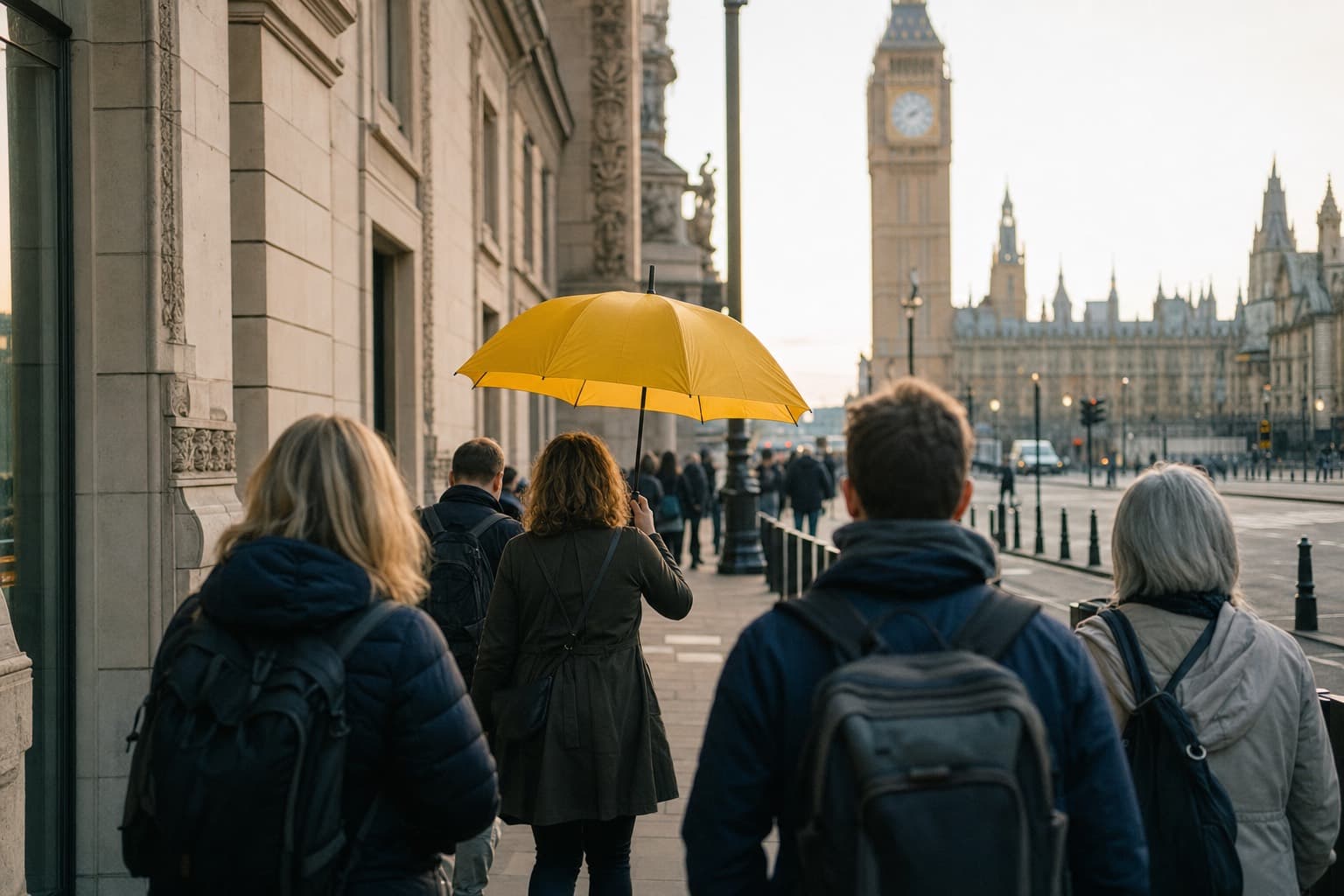
London deserves its own mention because the free tour solves a real problem: it is a hugely expensive city, and the guided walk is one of the few things that still costs whatever you decide. The classic route links Westminster, Big Ben, the Abbey and the changing of the guard, but the city offers far more. There are ghost free tours through Victorian London, routes around the City and its financial history, and walks through the corners of royalty. With long distances and pricey transport, starting with a free tour saves you money and sorts out what to visit afterwards at your own pace. It is the smartest way to break the ice with a capital that otherwise overwhelms.
How to choose your free tour without getting it wrong
With so many cities, the doubt is where to start. The rule is simple: if the destination has a dense old town (Lisbon, Granada, Prague), go to the general free tour first, because it gives you the mental map. If the city is huge or expensive (London, Rome, Paris), use it to set priorities and not waste days. And if the weight is on recent history (Berlin, Budapest), go straight for the themed tour, which is where the guide shines. Book ahead, confirm the language and be clear that a good contribution, those 15 to 20 euros per person, is what keeps a local guide who has put in the work going. Whichever city in the network you pick, the free tour is still the best first hour you can give a trip.
Frequently asked questions
- Are free tours really free?
- You do not pay in advance and there is no fixed price, but they run on contribution. The guide is a local professional who lives off tips, so it is normal to leave between 15 and 20 euros per person if the walk was worth it. You decide the amount at the end.
- What language are free tours run in across Europe?
- Most capitals run tours in English and other major languages, not only the local one. Cities like Lisbon, Rome, Prague, Berlin or London usually offer several daily departures in English. When you book you can filter by language to make sure.
- Which is the best city in Europe for a free tour?
- It depends on what you are after. For old towns on foot, Lisbon, Madrid and Prague are unbeatable. For recent history told with context, Berlin and Budapest stand out. And to make the most of a big, expensive city, London and Rome give the best return on that first hour.
- Do I need to book the free tour in advance?
- In high season, yes. Spots are limited (groups of 15 to 30 people) and go fast at weekends and in summer. Booking online ahead secures your place and the slot in your language. Bring cash for the contribution, because not every guide takes digital payment.