In this article (7 sections)
How to organize Rome in two or three days
Rome makes more sense if you divide it into three blocks that barely overlap. The first is ancient Rome, around the Colosseum, the Roman Forum and the Palatine Hill. The second is the baroque center, the triangle formed by the Pantheon, Piazza Navona and the Trevi Fountain, all walkable. The third is the Vatican, on the other side of the Tiber, with St Peter's Basilica and the Vatican Museums. With two days you cover the first two blocks; the third asks for a full morning, so if you can, save the third day for the Vatican.
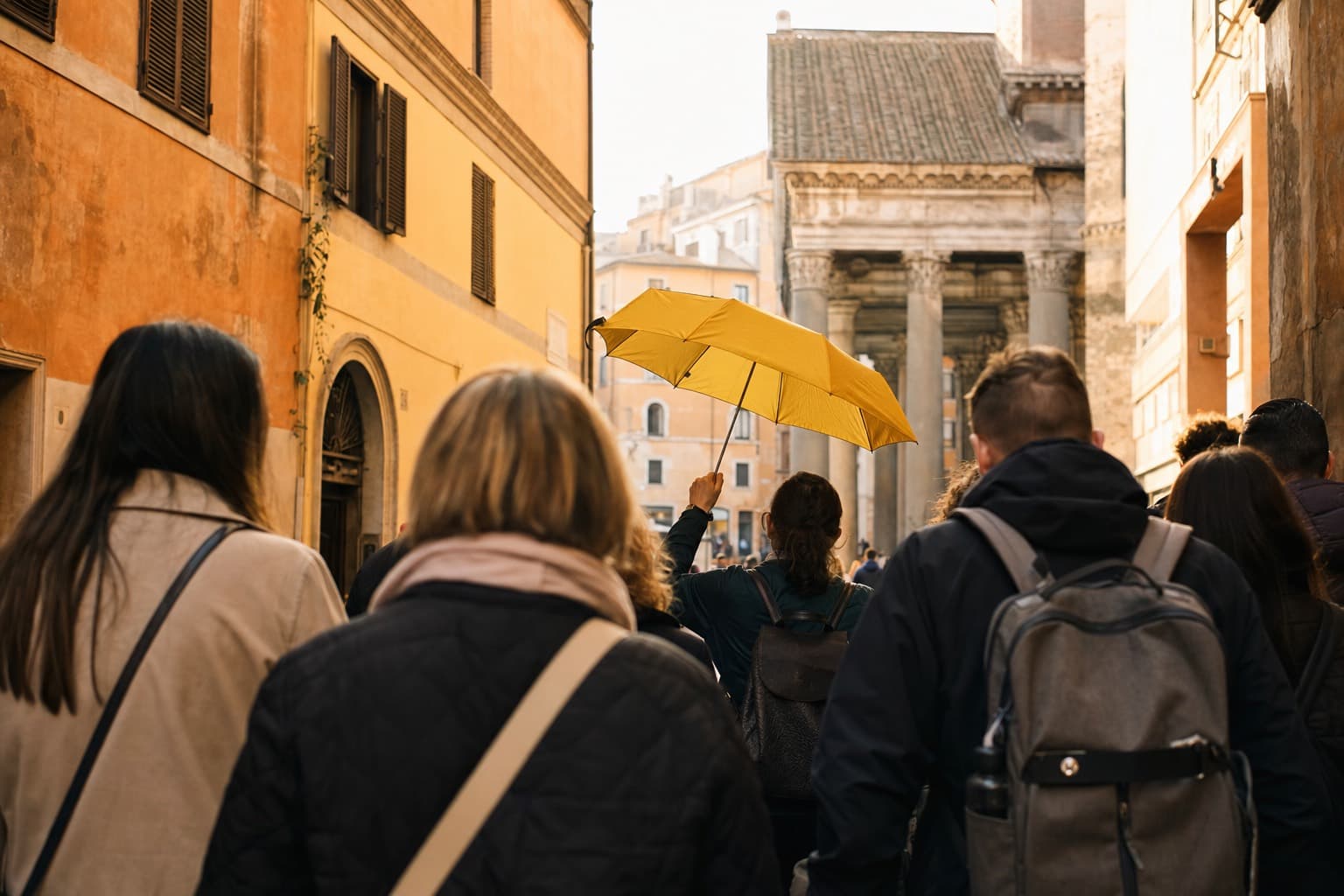
A handy way to get your bearings on the first day is to take a free tour of the historic center: in a couple of hours you place yourself, understand what each rione is and come away with the stories you will later tell yourself. In Rome the usual contribution for these walks is around 15 to 20 euros per person at the end. Afterward you return at your leisure to whatever caught your eye most.

Do it with a guide
Bohemian Neighbourhood Tour: Trastevere
On this free tour we want to share with you one of the most beautiful corners of the Eternal City; the emblematic neighbourhood of Trastevere....
Day 1: imperial Rome, from the Colosseum to the Campidoglio
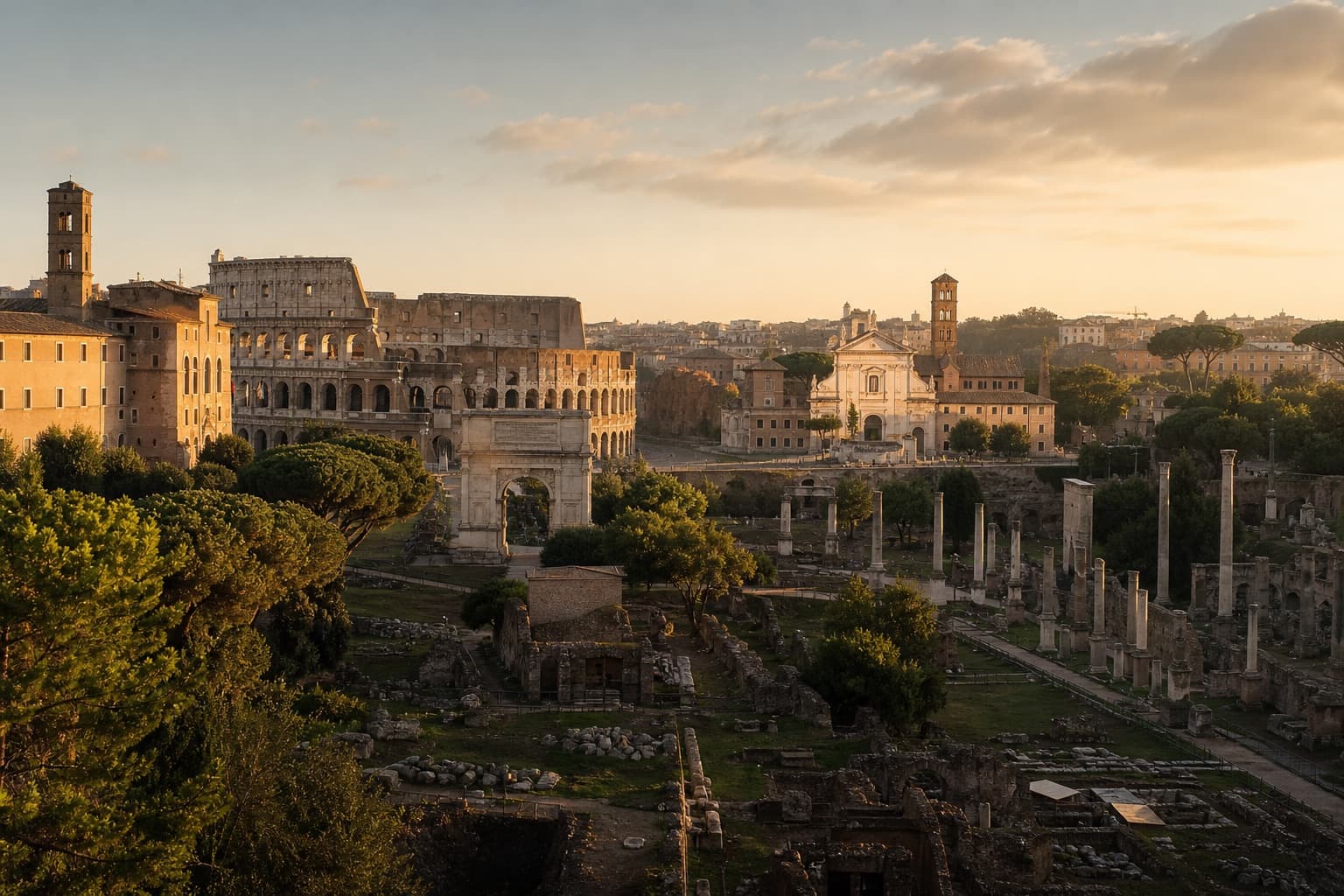
Start early at the Colosseum, with a ticket booked to avoid the line that wraps around the block. Right next to it open the Roman Forum and the Palatine Hill, which share an enclosure: walk down the Via Sacra imagining the parades and climb the Palatine to see the Forum from above and the remains of the imperial palaces. Leave through the Arch of Titus and cross toward the Piazza del Campidoglio, the square designed by Michelangelo, to look out over the Forum from the other end.
From the Campidoglio you go down to the Altare della Patria, the white monument on the Piazza Venezia that Romans themselves call the typewriter. If you have any energy left, drop by the Bocca della Verità, in the portico of Santa Maria in Cosmedin, and the nearby Circus Maximus, today a great open field where the chariots once raced. It is a first day of tired legs, so have an early dinner around Monti, the neighborhood of little lanes and small shops just behind the Imperial Forums.
Day 2: baroque Rome, on foot among fountains and squares
The second day is for unhurried strolling. Start at the Pantheon, the best-preserved temple of antiquity, with its dome open to the sky through the oculus; admission is now charged, but it is worth every minute. A few steps away is Piazza Navona, with Bernini's Fontana dei Quattro Fiumi at the center and its atmosphere of portrait artists and terraces. Head on to the Campo de' Fiori and its morning market, then make for the Trevi Fountain to toss the coin over your shoulder, the one that promises a return to Rome.
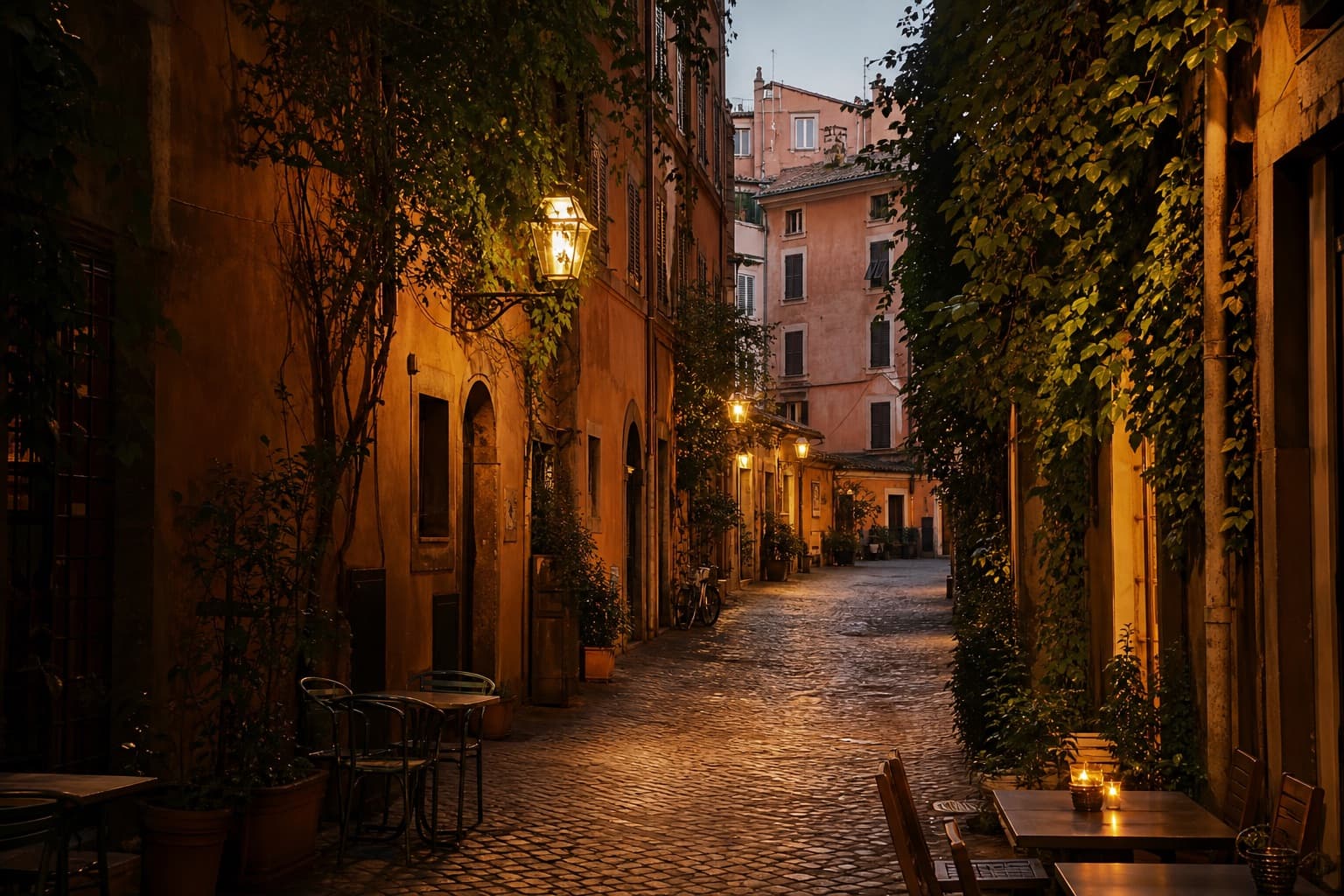
Finish in the Piazza di Spagna, at the foot of the Trinità dei Monti steps, with the Via dei Condotti on one side for the luxury window-shopping and the Via del Corso for everyday shopping. At dusk cross the Tiber over the Ponte Sisto and let yourself drift into Trastevere, which at that hour lights its lanterns. The Piazza di Santa Maria in Trastevere, with the golden-mosaic basilica that gives it its name, is the best place to sit and watch the city go by.
Book free, leave a contribution at the end

Day 3: the Vatican and the bank of the Tiber
The third day belongs to the Vatican, and it is worth an early start. The Vatican Museums are enormous, so go straight to what you want to see without wearing yourself out on the way: the goal is the Sistine Chapel and Michelangelo's frescoes on the vault. Book a timed ticket so you do not lose the morning in the line. Then move on to St Peter's Basilica and, if you have the stamina, climb the dome for one of the best views of Rome, with Bernini's colonnade at your feet.
On the way out, head down to the river and cross the Ponte Sant'Angelo, flanked by Bernini's angels, to the Castel Sant'Angelo, the old mausoleum of Hadrian turned into a papal fortress. It is a fine finale: from its upper terrace you can see St Peter's on one side and the old town on the other. If the Vatican has left you time, end the afternoon in the gardens of Villa Borghese, the great park to the north, with the Galleria Borghese and its Bernini sculptures if you booked a spot in advance.
Trastevere, Testaccio and where to really eat
Eating in Rome is part of the plan, not a formality. In the middle of the center you are surrounded by tourist traps, so move a couple of streets away from the big squares. Trastevere gathers old-school trattorias down its alleys, like the Via della Lungaretta, good for trying Roman cooking: cacio e pepe, carbonara, amatriciana and the fried rice supplì. For dessert, a maritozzo filled with cream or a gelato from an artisan shop, not the ones that pile up mountains of colors at the door.
If you like food, spend a while in the Testaccio neighborhood, to the south, the working-class stomach of the city. Its covered market is ideal for lunch without ceremony, with stalls of trapizzino and freshly made pasta. And a rule that almost never fails in Rome: where you see menus in ten languages and photos of the dishes, keep walking; where grandparents are having dinner, go in.
If you have half a day to spare: viewpoints and quiet corners
Rome rewards those who stray from the list. For the best views with no tickets or lines, climb the Janiculum, the Gianicolo promenade above Trastevere, where a cannon fires at midday and the whole city spreads out at your feet. Another quiet option is the keyhole of the Priory of Malta, on the Aventine, which frames the dome of St Peter's at the end of an avenue of hedges, very close to the Giardino degli Aranci and its balcony over the Tiber.
And if you travel with more days or want to set foot in some countryside, the Via Appia Antica can be walked or cycled among Roman tombs and original cobblestones, especially on Sundays, when it closes to traffic. These are half-day plans that take you off the circuit and leave you with a calmer Rome, the one you really remember.
Frequently asked questions
- How many days do you need to see Rome?
- With two full days you see the essentials of the center: ancient Rome one day and baroque Rome the other. The third day is what makes the difference, because it lets you spend a whole morning at the Vatican without stress and keep the afternoon for Castel Sant'Angelo or Villa Borghese. Less than two days falls very short for a city of this size.
- Do you need to book tickets for the Colosseum and the Vatican Museums?
- Yes, and in advance. Both the Colosseum and the Vatican Museums work with timed entry, and the lines without a booking can take a good hour out of your day. Buy with a date and time on the official websites; for the Sistine Chapel, the first hours of the morning are usually less crowded.
- Is it better to get around Rome by metro or on foot?
- The historic center is done almost entirely on foot, because the distances between the Pantheon, Piazza Navona and the Trevi Fountain are a matter of minutes. The metro is useful mainly for long stretches, like getting to the Vatican (Ottaviano stop) or the Colosseum (Colosseo stop). Bear in mind that many streets are cobbled, so comfortable footwear is no small piece of advice.
- Is a free tour worth it to get your bearings on the first day?
- For a first visit, yes. A free tour of the center gives you the mental map of the city in a couple of hours and leaves you with the stories that make you look at each square differently afterward. The usual contribution in Rome runs from 15 to 20 euros per person at the end. Then you head back on your own to whatever interests you most.